

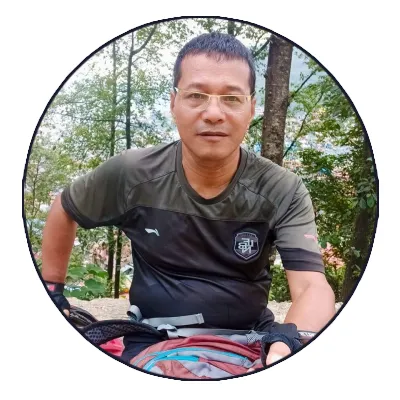
Speaker: Pragya Ratna Shakya
President, Bhaskardeva Sanskarita Keshchnadra Krita Paravata Mahavihara Conservation
Committee
Itumbaha, Kathmandu
Swosti Rajbhandari Kayastha
Consultant Curator, Itumbaha Museum
Curator, Nepal Art Council
A two-decade old dream of the community of Shri Bhaskardeva Sanskarita Keshchnadra
Krita Paravata Mahavihara (Itumbaha) to establish was museum was finally realized in July
2023 by inaugurating the Itumbaha Museum. During the restoration of the vihara between
2002-2006, the community had stored away a plethora of objects they had never seen,
stashed away in the dark storages, where they seldom ventured. These objects laying in
storage were offered by the many generations of community members, some removed
from worship because of wear and tear and some because their function was reserved only
for special occasions, each has a story to tell and were a storehouse of knowledge in
themselves. The community sought to share with the world their rich heritage through an
unconventional approach by opening a museum, fostering a more liberal approach,
relevant to contemporary society. Sustainability of their heritage was also at stake, so the
committee undertook this step to revitalize the knowledge and reverence of their space
through a socio-economic approach.
This novel and magnanimous project began with a series of meetings with the museum
curation team and the community. It was crucial for the committee to comprehend a
museum of the 21st Century and the responsibilities being shouldered through this avant-
garde approach. After which the process of conceptualizing a museum began in the dark
and dingy rooms of the vihara. The objects were dusted, measured, photographed, and
researched to make a visual documentation. A preliminary concept was made, objects
selected, design of the galleries drafted, being revised multiple times through discussions
with the community, following a bottom-up approach. The budget was calculated and after
receiving the grant, work began amid the pandemic. The cluttered rooms designated for the
galleries were cleared and repaired, objects conserved and the process of fabrication of
the vitrines commenced. The museum required the object texts to have an inclusive
approach, unfolding the challenges of writing them in Nepal bhasa, Nepali and English.
Many curious visitors peeped in, and the excitement was building. The inauguration date
was set for 29th July and the invitation cards rolled out. In between all the paraphernalia of
the preparation, a group of activists stationed themselves at Indra chowk, protesting the
opening of the museum and defaming the donor.
The community was undaunted by any threats and focused on the preparations for the
opening. The elaborate inauguration was watched by hundreds of visitors with security
measures to bypass any disruption, while the community members stayed alert. The
museum opened with much appreciation and heavy footfall in the continuing days, caused
by the activism and the negative publicity. In due course of time the activism dwindled, not
have sound grounds and reasons. The museum now runs with four staff members, fulfilling
the purpose of its establishment.
This presentation seeks to demonstrate the perseverance of the Itumbaha community to
pursue a contemporary approach, in the preservation of its heritage and making them open
for knowledge and research for all.

Leave a Reply
You must be logged in to post a comment.